
Toronto has quietly become one of North America’s most influential music cities, producing genre-defining artists across hip-hop, R&B, indie rock, electronic, and beyond. From Drake’s global dominance to the breakthrough success of The Weeknd, Charlotte Day Wilson, and Peach Pit, the city consistently launches careers that reshape contemporary music. What makes Toronto’s scene so vital isn’t just the individual talent, it’s the collaborative ecosystem of producers, engineers, and venues that nurtures experimentation across cultural communities.
The city’s multicultural fabric directly fuels its sound. Caribbean influences blend with R&B in the work of artists like Daniel Caesar, while indie acts like Alvvays and METZ draw from punk and shoegaze traditions. This diversity isn’t accidental. Toronto’s neighborhoods, from Scarborough to Queen West, each contribute distinct musical DNA that you can hear in the final product.
Understanding Toronto’s current roster means recognizing both established stars and emerging voices. We’ve gathered insights through exclusive interviews with artists who’ve navigated the city’s scene, revealing how local support systems and community-driven venues helped them break through. Whether you’re discovering these musicians for the first time or deepening your appreciation for Toronto’s role in shaping modern music, this guide offers a comprehensive look at the artists defining the sound of Canada’s largest city right now.
Why Toronto Has Become Canada’s Music Powerhouse
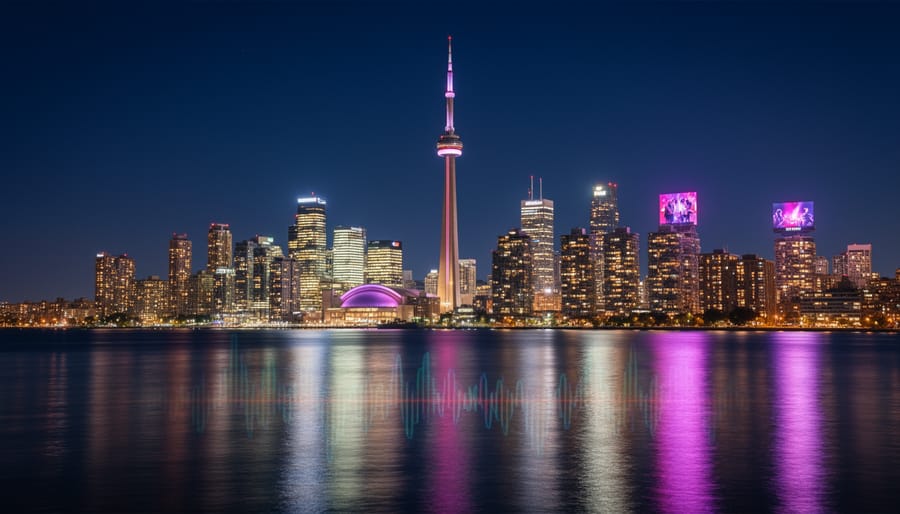
Toronto’s position as Canada’s music powerhouse didn’t happen by accident. The city’s explosive growth in the global music industry stems from a unique combination of cultural diversity, robust infrastructure, and a deeply collaborative artist community that few other Canadian cities can match.
The most significant factor is Toronto’s multicultural makeup. With over 200 ethnic origins represented and more than half the population born outside Canada, the city functions as a cultural intersection where Caribbean rhythms meet South Asian melodies, African beats blend with Latin influences, and traditional sounds fuse with contemporary production. This diversity doesn’t just influence the music, it creates entirely new genres and hybrid styles that set Toronto artists apart. Recent BIPOC music scholarship has explored how this cultural convergence shapes artistic identity and innovation, particularly in how Toronto musicians navigate multiple cultural traditions within their work.
The city’s infrastructure plays an equally crucial role. Toronto houses world-class recording studios, major label offices, and indie production houses alongside an extensive network of live venues ranging from 100-capacity clubs to 20,000-seat arenas. This ecosystem allows artists to develop locally while accessing the professional resources needed to compete globally. Unlike smaller Canadian cities where musicians often relocate to “make it,” Toronto offers the complete pipeline, from rehearsal spaces and producers to booking agents and publicists, all within city limits.
The artist community itself operates with a collaborative rather than competitive mindset. Musicians regularly share resources, co-write across genres, and support each other’s projects. This spirit extends to venue owners, radio programmers, and music journalists who actively champion local talent. When combined with Toronto’s role as Canada’s media capital, home to CBC, MuchMusic’s legacy, and countless digital platforms, artists benefit from visibility that translates into national attention faster than anywhere else in the country.
Legendary Toronto Artists Who Paved the Way
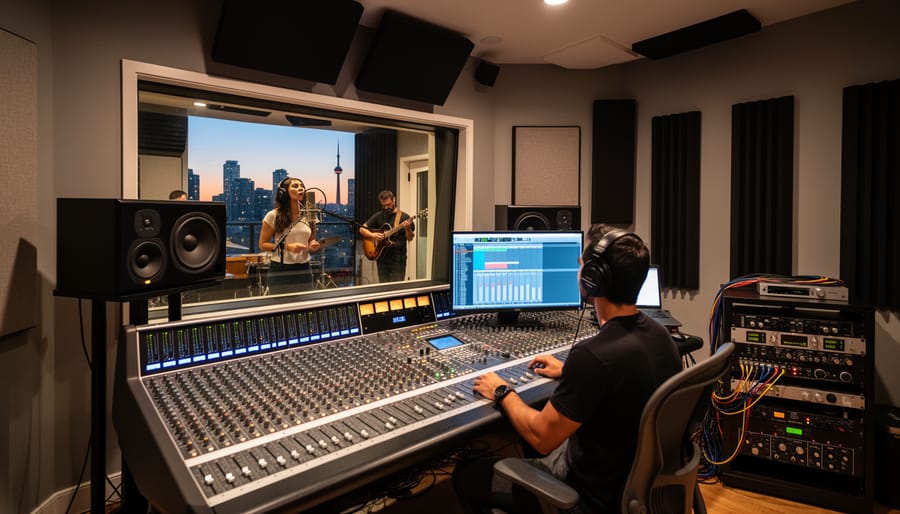
Toronto’s music scene didn’t emerge overnight. It was built by artists who took risks, broke boundaries, and proved that world-class talent could thrive here. These pioneers laid the foundation for the city’s current reputation as a music powerhouse, and their influence echoes through every genre being made today.
The city’s musical legacy spans decades and crosses every imaginable style. Artists who started here didn’t just achieve personal success, they changed how the world sees Canadian music. They showed that Toronto could produce sounds as distinctive and influential as any major music capital, creating pathways that today’s generation continues to walk through.
Groundbreaking Toronto Artists Who Shaped the Scene:
- Drake, Transformed hip-hop and R&B globally, putting Toronto’s sound on the international map and creating opportunities for countless artists who followed
- The Weeknd, Redefined contemporary R&B with his dark, atmospheric production style and became one of the best-selling music artists worldwide
- Rush, Built a legendary rock career spanning four decades, earning worldwide respect and proving Canadian bands could compete at the highest level
- Joni Mitchell, Pioneered confessional songwriting and jazz-folk fusion, influencing generations of singer-songwriters across the globe
- Leonard Cohen, Crafted poetic, deeply introspective songs that became timeless standards, establishing Toronto as home to serious literary-minded musicians
- Broken Social Scene, Created the blueprint for Toronto’s indie rock community and collective spirit, launching numerous successful solo careers
- Deborah Cox, Brought Toronto R&B to international dance floors and charts in the 90s, opening doors for Black Canadian artists
- Neil Young, Though born elsewhere, his Toronto years shaped his early sound and launched a career that redefined rock music
What makes these artists significant isn’t just their commercial success or critical acclaim. They each pushed against the industry’s expectations, carved out space for authentic expression, and demonstrated that geographic distance from traditional music centres wasn’t a barrier. When Rush filled arenas worldwide or Joni Mitchell won Grammys, they proved Toronto artists belonged on any stage.
Their legacy lives in the confidence today’s Toronto musicians carry. Current artists don’t feel they need to relocate to “make it” because these pioneers showed success could start right here. The infrastructure they helped build, studios, venues, industry connections, now supports emerging talent across every genre.
Current Toronto Artists Making Waves Across Genres
Hip-Hop and R&B: Toronto’s Global Export
Toronto’s hip-hop and R&B scene has evolved from local phenomenon to international force, with artists crafting a distinct sound that blends introspective lyricism, atmospheric production, and genre-fluid experimentation. This evolution didn’t happen overnight, it’s built on decades of underground hustle, cross-pollination between communities, and artists who refused to mimic American trends wholesale.
Today’s generation is pushing boundaries while honouring what came before. Artists like Haviah Mighty bring sharp social commentary and experimental beats that challenge hip-hop conventions. Her work demonstrates how Toronto rappers aren’t just skilled technicians, they’re cultural commentators addressing identity, belonging, and resistance through their music.
The R&B contingent continues reshaping what smooth vocals can accomplish. Melanie Fiona’s powerhouse delivery and honest songwriting established a template for emotional depth without sacrificing radio appeal. Meanwhile, newer voices like Savannah Ré blend traditional soul sensibilities with modern production techniques, creating tracks that feel both timeless and fresh.
What sets Toronto’s hip-hop and R&B apart is its refusal to stay in one lane. Artists routinely incorporate Caribbean rhythms, electronic textures, and indie rock influences into their sound. This genre-blending approach reflects the city’s multicultural reality and creates music that resonates across demographics. The result is a scene that exports talent globally while maintaining distinctly Toronto characteristics, measured confidence, cultural awareness, and sonic adventurousness that keeps listeners guessing what comes next.
Indie and Alternative: The Underground Thrives
Toronto’s indie and alternative scene pulses beneath the mainstream radar, sustained by a network of small venues, house shows, and artist-run spaces where experimentation matters more than polish. Bands like Ducks Ltd. and The OBGMs have built loyal followings through relentless gigging at spots like The Garrison and Handlebar, honing their craft in front of crowds who value raw energy over radio-ready production.
The city’s DIY ethos runs deep. Artists often book their own tours, design their own merch, and release music through independent labels like Telephone Explosion Records and Buzz Records, operations that prioritize creative freedom over commercial formulas. This self-sufficiency creates music that takes risks: Casper Skulls blend shoegaze with punk aggression, while Bernice layer jazz-inflected arrangements into art-pop frameworks that defy easy categorization.
What sets Toronto’s underground apart is its collaborative spirit. Musicians frequently play in multiple projects, share rehearsal spaces, and promote each other’s shows. The scene isn’t competing for a single spotlight; it’s building something collectively. Venues like The Baby G and The Smiling Buddha (before its closure) became laboratories where artists could fail, iterate, and evolve without industry pressure.
This grassroots infrastructure matters. When mainstream trends shift elsewhere, Toronto’s indie community keeps creating, not chasing validation, but answering to the music itself and the people who show up to hear it.
Folk, Blues, and Roots: Storytellers of the City
Toronto’s folk, blues, and roots artists tell stories that only this city can produce, narratives woven from immigrant journeys, urban displacement, late-night streetcar rides, and the collision of a hundred different musical traditions. Unlike the Vancouver folk scene which often draws from coastal landscapes and natural imagery, Toronto’s storytellers mine the city’s grit and cultural complexity.
Artists like Dominique Fricot blend Acadian folk roots with urban sensibility, crafting songs about identity and belonging in a constantly shifting city. Maya Killtron pairs banjo with hip-hop beats, creating Indigenous futurism that honours traditional storytelling while addressing contemporary realities. Meanwhile, Donovan Woods has built a following with spare, emotionally direct songwriting that captures relationship dynamics with cinematic precision.
The blues tradition thrives through artists like Dawn Tyler Watson, whose powerful voice and no-nonsense stage presence have made her a fixture at festivals across Canada. Julian Taylor, a Mohawk songwriter, merges folk-rock with soul and blues, creating music that explores his mixed-race experience and connection to land.
These artists perform at intimate venues like The Tranzac and The Dakota Tavern, spaces where the focus stays on the song and the story. They’re not chasing radio play, they’re building community through honest, lived experience turned into music that resonates long after the last chord fades.
Electronic and Genre-Blending Innovators
Toronto’s electronic music scene thrives on experimentation and refusal to stay in one lane. Artists like BAMBII are redefining what club music can be, blending Caribbean rhythms with bass-heavy electronic production that reflects the city’s multicultural dancefloors. Her DJ sets and productions move fluidly between genres, creating sounds that feel simultaneously global and deeply Toronto.
Producer Harrison brings a different energy, crafting intricate electronic compositions that pull from jazz, ambient, and experimental traditions. His work demonstrates how Toronto’s electronic artists often come from diverse musical backgrounds, resulting in productions that challenge conventional genre boundaries.
The city’s experimental edge also shows up in projects that merge live instrumentation with electronic production. Artists are layering modular synthesis over acoustic recordings, incorporating field recordings from Toronto’s streets, and collaborating across hip-hop, R&B, and avant-garde scenes. This cross-pollination creates a sound that’s harder to pin down but distinctly forward-thinking, a reflection of artists who see electronic music not as a fixed genre but as a toolkit for exploration.
World Music: Reflecting Toronto’s Cultural Mosaic
Toronto’s reputation as one of the world’s most diverse cities isn’t just a demographic fact, it’s audible. Walk through any neighbourhood and you’ll hear the city’s multicultural reality expressed through music that blends traditions from across the globe.
Artists like Exco Levi carry forward reggae and dancehall traditions with authenticity while addressing Canadian experiences. Suba Sankaran fuses South Asian classical music with jazz and global rhythms, creating soundscapes that honour her heritage while pushing boundaries. Kobo Town’s Drew Gonsalves brings Trinidadian calypso into contemporary contexts, addressing social issues through infectious Caribbean rhythms.
Latin influences thrive through artists who merge salsa, cumbia, and bachata with urban sounds. African diasporic music finds expression in Afrobeat-influenced acts and artists incorporating West African instrumentation. South Asian fusion artists blend bhangra, qawwali, and Bollywood influences with hip-hop and electronic production.
These artists don’t simply transplant traditional sounds, they create something distinctly Toronto, where cultural memory meets urban Canadian reality. Their music serves dual purposes: connecting diaspora communities to their roots while introducing broader audiences to traditions they might never encounter otherwise. In doing so, they prove that Toronto’s greatest musical asset is its ability to hold multiple cultural narratives simultaneously.
What Toronto Artists Say About Their City’s Music Scene
Toronto artists consistently describe their city as a double-edged sword, fiercely competitive yet remarkably collaborative. In our best Canadian interviews musicians from the city emphasize how the sheer volume of talent pushes everyone to level up while fostering unexpected partnerships across genre lines.
“There’s no room to coast here,” one indie rock artist explained. “You’re surrounded by people who are insanely talented, so you either step up or get left behind. But that intensity also means everyone’s willing to share knowledge, studio time, gear, we lift each other up because we know how hard it is.”
The city’s multiculturalism shapes more than just sound. Artists from diverse backgrounds note how Toronto’s cultural tapestry creates natural fusion points where reggae meets electronic, hip-hop blends with South Asian classical, and jazz intersects with Caribbean rhythms. This isn’t forced experimentation, it’s simply life in Toronto reflected through music.
Several musicians pointed to Toronto’s reputation as both an asset and a burden. Internationally, being from Toronto now carries weight, especially in hip-hop and R&B. Yet that same recognition creates pressure. One R&B vocalist described the expectation to sound “Toronto enough” while staying original: “People want you to fit the city’s vibe but also bring something fresh. It’s a balance.”
The high cost of living emerged as a common struggle. Studio space, rehearsal rooms, and even apartments strain budgets, forcing many artists to work day jobs longer than they’d like. “The city gives you opportunities, but it takes everything you’ve got financially,” a folk artist admitted.
Despite these challenges, Toronto musicians express genuine pride in representing their city. They see themselves as part of an ongoing story, one where community matters as much as individual success.
How Toronto’s Venues and Festivals Support Local Artists
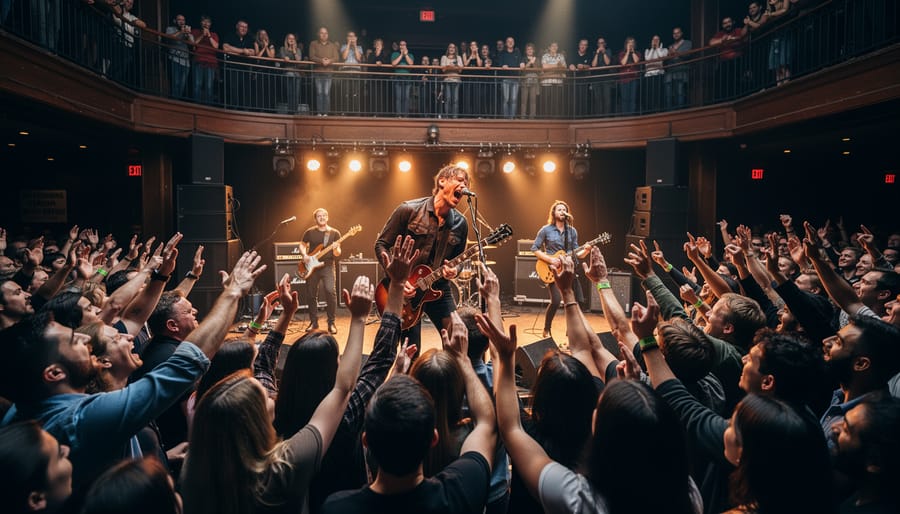
Toronto’s live music infrastructure creates essential pathways for artists to connect with audiences and refine their craft. The city’s venue network ranges from intimate listening rooms to mid-sized clubs where artists can graduate as they build followings, providing stages suited to every career phase.
The Horseshoe Tavern, Lee’s Palace, and the Dakota Tavern anchor Toronto’s club scene, consistently booking Canadian talent alongside touring acts. These venues function as proving grounds where artists develop stage presence and test new material before audiences who genuinely care about discovering music. Smaller rooms like the Tranzac Club, Supermarket, and various church basements host experimental nights and genre-specific showcases that give space to sounds underserved by mainstream venues.
Toronto’s festival calendar prioritizes homegrown talent in ways that accelerate careers. NXNE dedicates entire programming streams to emerging Canadian artists, offering showcase opportunities that attract industry professionals and media attention. The Beaches Jazz Festival, Canadian Music Week, and neighbourhood festivals across the city reserve headline spots for Toronto acts, treating local artists as draws rather than opening filler.
Many venues operate as community hubs beyond their booking calendars. They host open mics, artist development workshops, and networking events that build relationships between musicians, producers, and industry professionals. This ecosystem approach means venues contribute to artist growth beyond single performance opportunities.
The challenges remain real: rising rents threaten grassroots spaces, and competition for festival slots grows fiercer each year. Yet Toronto’s commitment to preserving this infrastructure through municipal support programs and community advocacy ensures artists still have places to be heard, build audiences organically, and earn income performing locally before seeking national tours.
Supporting Toronto Musicians: How Fans Can Make a Difference
Supporting Toronto’s music community goes beyond passive listening. Buying albums and merch directly from artists, through Bandcamp, at shows, or via their websites, puts more money in their pockets than streaming ever will. A $15 album purchase can mean the difference between an artist affording studio time for their next project or shelving it indefinitely.
Show up to live performances whenever you can. Toronto venues rely on consistent crowds to stay viable, and artists depend on door sales and bar minimums to justify touring. Even midweek shows at smaller rooms matter. If you can’t attend, share event pages with friends who might be interested, tag artists in your social posts, and leave genuine comments on their releases.
Crowdfunding campaigns on platforms like Kickstarter or Patreon have become essential for independent musicians funding recordings, tours, and music videos. Contributing even a small amount helps artists reach their goals and signals that their work resonates with real people. Consider monthly Patreon subscriptions if you connect deeply with an artist’s output.
Organizations like FACTOR Canada, the Toronto Arts Council, and local collectives often accept donations that directly support emerging talent through grants, showcase opportunities, and development programs. Your contribution amplifies their reach and helps level the playing field for artists who lack industry connections or financial backing. Volunteer opportunities occasionally arise at festivals and community radio stations, offering hands-on ways to participate in the scene you care about.
Common Questions About Toronto’s Music Scene
What makes Toronto’s music scene unique compared to other Canadian cities?
Toronto’s multicultural population creates an unmatched diversity of musical influences, from Caribbean rhythms to South Asian sounds to African beats. The city also has Canada’s largest concentration of recording studios, music venues, and industry professionals, giving artists more opportunities to develop, collaborate, and get noticed.
How do Toronto artists typically break into the national scene?
Most Toronto artists build local followings through consistent gigging at venues like the Horseshoe Tavern or Lee’s Palace, then leverage that momentum through streaming platforms and festival appearances. Strong community connections and collaborations with established Toronto artists often open doors to wider recognition.
What genres are most dominant in Toronto right now?
Hip-hop and R&B dominate commercially, but Toronto supports thriving scenes in indie rock, electronic music, folk, and world music. The genre-blending approach many artists take reflects the city’s cultural mix, making it hard to pigeonhole Toronto’s sound into one category.
How can I find new Toronto artists to listen to?
Check local venue calendars, follow Toronto music blogs and radio stations like CIUT 89.5 FM, and attend festivals that prioritize Canadian talent. You can also discover Canadian artists through interviews that reveal their creative processes and what drives their work.
These questions come up constantly among music fans exploring Toronto’s scene. The city’s advantage lies in its size and diversity, it supports niche genres that struggle elsewhere while also producing mainstream stars. Artists here benefit from proximity to each other, leading to cross-pollination between scenes that keeps the music fresh. Whether you’re into experimental electronic or traditional folk, Toronto has active communities making that music right now.
Toronto’s music scene isn’t slowing down, it’s evolving, expanding, and continuing to shape what Canadian music sounds like to the world. The artists emerging from this city carry forward a legacy built on creativity, resilience, and an unmistakable multicultural edge that sets them apart.
What makes Toronto’s music ecosystem truly powerful isn’t just the talent, it’s the community that surrounds it. From volunteers running grassroots venues to fans showing up at small shows, every person who engages with local music contributes to keeping this scene alive and thriving.
If you’ve discovered new artists through this guide, take the next step. Buy their music directly, attend their shows, share their work with friends who’d appreciate it. Listen to what artists want from their audiences and how you can make a tangible difference.
Toronto’s sound belongs to everyone willing to support it. Dive into the music, explore the genres that intrigue you, and become part of the community that ensures Canadian artists continue to thrive.