
Conducting a meaningful interview with a musician requires preparation, active listening, and the ability to create a space where artists feel comfortable sharing their stories. The best conversations happen when you’ve done your homework on the artist’s work, ask open-ended questions that go beyond surface-level promotion, and genuinely engage with their responses rather than just ticking through a predetermined list. Whether you’re a seasoned journalist or a volunteer contributor, the goal remains the same: to reveal the human experience behind the music and connect Canadian audiences with the artists shaping our diverse sonic landscape.
Great music interviews don’t follow a rigid formula. They blend biographical context with creative process, industry insights with personal reflection. When you sit down with a folk artist from rural Saskatchewan, a hip-hop producer from Toronto’s underground scene, or an experimental electronic musician pushing boundaries in Montreal, each conversation demands its own approach. The questions that unlock an authentic conversation with a veteran singer-songwriter won’t necessarily resonate with an emerging indie band navigating their first tour.
Canada’s music community thrives on these exchanges. Interviews document our cultural moment, preserve artist narratives, and help local scenes gain visibility beyond their geographic boundaries. They also serve a practical purpose: helping listeners discover new artists, understand the context behind their favorite albums, and feel more connected to the music they love. For volunteers and community contributors, learning to conduct thoughtful interviews becomes a way to actively participate in celebrating the talent flourishing across this country.
Why Interviews Matter More Than Ever for Canadian Artists
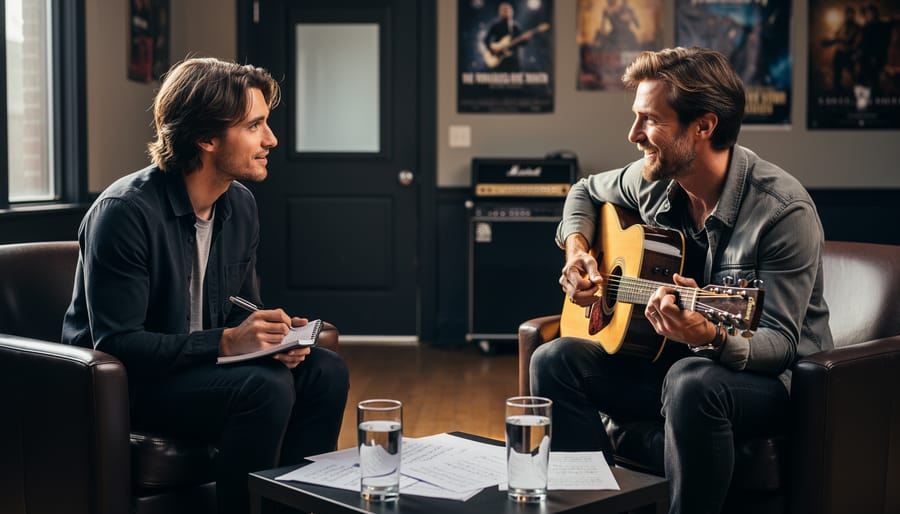
In 2026, Canadian musicians face a music landscape where streaming algorithms and social media feeds dominate discovery. Yet interviews remain one of the most powerful tools for breaking through the noise and connecting with listeners on a human level. When an artist shares their story, inspiration, or creative process in conversation, they transform from a playlist entry into a real person with experiences that resonate.
For independent Canadian artists especially, interviews offer something Spotify streams can’t: context. A folk musician from Cape Breton explaining how Atlantic storms shape their songwriting, or a Vancouver jazz pianist describing their practice routine, gives fans emotional anchors that deepen their relationship with the music. These conversations build loyalty that survives algorithm changes.
Canada’s geography presents unique challenges. An artist in Whitehake can’t easily tour to Halifax, and a Montreal band might struggle to reach listeners in Calgary. Interviews bridge these distances. A thoughtful Q&A published online travels instantly across provinces, introducing artists to communities they may never visit in person. For musicians building careers outside major urban centers, this reach proves invaluable.
The storytelling aspect matters tremendously. Canadian music draws from diverse cultural traditions, Indigenous heritage, immigrant experiences, regional folklore, and interviews provide space to honor these roots. When artists explain the stories behind their songs, they educate listeners while celebrating the cultural richness that makes Canadian music distinctive.
Beyond promotional value, interviews create documentation. They capture moments in an artist’s evolution, preserve perspectives on Canada’s music scenes, and contribute to our collective cultural record. Every conversation becomes part of the story we tell about who we are.
The Questions That Open Artists Up
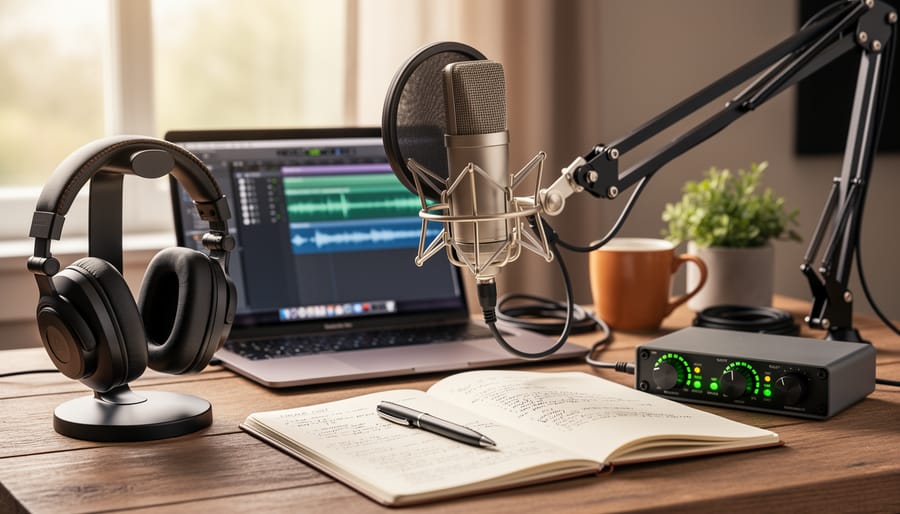
Beyond the Surface: Questions That Reveal True Artistry
Questions that reveal true artistry start with genuine curiosity about the creative process itself. Instead of asking “What inspires you?” (a question so broad it becomes meaningless), try “Can you walk me through how one of your songs came together, from the first spark to the final recording?” This gives the artist permission to share specific moments, decisions, and even frustrations that shaped their work.
The best questions acknowledge what you already know while inviting deeper exploration. “I noticed you shifted from traditional instrumentation to more electronic elements on your recent album, what prompted that change?” shows you’ve done your homework and creates space for the artist to explain their evolution without defending it.
Ask about the “why” behind technical choices. “You recorded this track live in one take, what were you trying to capture that a polished studio version wouldn’t?” Such questions reveal philosophy, not just process. They let musicians articulate the intention behind choices that casual listeners might overlook.
Don’t shy away from asking about challenges and growth. “What’s something you’re still working to master in your craft?” or “Tell me about a performance that changed how you approach your music” often yields the most honest, relatable responses. These questions respect the artist’s journey while recognizing that mastery is ongoing, not a destination already reached.
What Not to Ask (And Why)
Certain questions immediately signal a lack of preparation or genuine curiosity. “Where do you get your inspiration?” ranks among the worst offenders, it’s vague, overused, and forces artists to manufacture something profound on the spot. Most Canadian musicians have answered this hundreds of times and will give you a rehearsed, hollow response.
Avoid comparing artists to other musicians unless there’s a specific, thoughtful reason. “You sound just like [Famous Artist]” might feel like a compliment to you, but many artists find it reductive. They’ve worked hard to develop their own voice.
Don’t ask “When are you going to make it big?” or questions that assume mainstream success is the goal. Many Canadian artists, particularly in folk and roots genres, measure success differently, through community impact, artistic integrity, or creative freedom.
Skip hypothetical scenarios like “If you could collaborate with anyone, dead or alive…” They’re filler questions that rarely lead anywhere interesting.
Instead, ask about specific songs, recent creative decisions, or challenges they’ve overcome. Reference their actual work. Show you’ve listened.
Creating Space for Authentic Conversations
The physical or virtual space you create for an interview shapes the quality of conversation you’ll have. A cluttered coffee shop with unpredictable noise can work for a casual chat, but deeper discussions need intentional setup. Whether you’re meeting in a musician’s home studio in Vancouver, connecting via video call with an artist in rural Saskatchewan, or catching fifteen minutes backstage at a festival, your job is to create an invisible boundary that signals “this time is for real conversation.”
Start by eliminating distractions before the artist arrives or logs on. Close unnecessary browser tabs, silence your phone completely, and position yourself where you won’t be interrupted. If you’re meeting in person, choose a quiet corner rather than the center of a busy venue. For video interviews, test your audio and lighting beforehand, poor technical quality sends the message that you didn’t prepare. Musicians notice when you respect their time enough to sort out the basics in advance.
The opening moments matter more than you might think. Spend two or three minutes on genuine human connection before diving into questions. Ask how their drive was, comment on something specific from their recent work that you genuinely appreciated, or acknowledge the setting you’re in together. This isn’t small talk, it’s the foundation for everything that follows. Musicians can tell the difference between someone who memorized questions and someone who actually cares about their story.
Pay attention to body language and energy shifts throughout the conversation. If an artist leans back or gives shorter answers, you might be pushing too hard or hitting a sensitive topic. Avoid leading questions that suggest the answer you want, instead, ask open-ended prompts and then shut up and listen. The silences that feel awkward to you often produce the most honest responses when you let them breathe.
Genre-Specific Insights: What Different Artists Want to Talk About
Folk and Roots: Stories and Traditions
Folk and roots musicians thrive when you ask about the stories behind their songs. These artists don’t just write music, they’re archivists of personal and community histories, carrying forward traditions that might otherwise fade.
Start by asking where a particular song came from. You’ll often hear about a conversation with an elder, a historical event that resonated, or a landscape that demanded to be memorialized in verse. Folk artists view themselves as part of a continuum, not isolated creators, so questions about their influences and mentors typically open rich discussions.
Community matters intensely to these musicians. Ask about the festivals, kitchen parties, or song circles that shaped them. Many folk artists see their role as preserving and passing on repertoire, traditional tunes learned from others, alongside their original work. They’ll gladly discuss the balance between honoring source material and making it their own.
Technical questions work differently here. Rather than gear obsession, folk musicians often care more about authenticity of delivery. Ask how they learned their instrument, why they chose acoustic over electric, or how they decide when a song is ready to share. The answers reveal their philosophy about what music should do in people’s lives.
Blues and Jazz: The Craft and Improvisation
Blues and jazz musicians in Canada often light up when conversations shift toward the technical aspects of their craft. Ask about their approach to improvisation, and you’ll discover how years of practice create the freedom to explore in real time. These artists appreciate questions that recognize the discipline behind what might appear effortless on stage.
The concept of “paying dues” matters deeply in these communities. Many Canadian blues and jazz players trace their lineage through mentors who taught them standards, harmonic progressions, and the unwritten rules of playing together. Questions about who influenced their phrasing or what recordings shaped their understanding of the tradition show genuine respect for the art form.
Technical questions work well here, how they voice certain chords, their practice routines, or their approach to soloing over specific changes. But balance theory with emotion: ask how improvisation feels in the moment, what makes a performance truly connect with an audience, or when they knew they’d found their unique voice within the tradition.
World Music: Cultural Connection and Fusion
World music artists in Canada often carry stories that span continents, languages, and generations. When interviewing these musicians, approach conversations with genuine curiosity about how they navigate between honoring their cultural roots and creating something new in a Canadian context.
Ask about the specific instruments, scales, or rhythms they’ve brought from their heritage and how these elements interact with the musical landscape they’ve found here. Many world music artists appreciate questions about their journey, not just geographically, but artistically, and how collaboration with musicians from different backgrounds has shaped their sound.
Avoid treating their music as exotic or “other.” Instead, focus on the universal themes they explore and the creative choices they make when fusing traditions. Questions about language choices in their lyrics, working with cross-cultural collaborators, and how they connect with diverse Canadian audiences often lead to rich discussions that reveal both personal identity and artistic innovation.
How Volunteers Can Conduct Professional Interviews
You don’t need formal journalism training to conduct interviews that musicians appreciate and audiences enjoy. What you need is genuine curiosity, respect for the artist’s time, and solid preparation.
Start with thorough research. Listen to the artist’s recent releases multiple times. Read previous interviews to avoid asking questions they’ve answered dozens of times. Check their social media for current projects or causes they’re passionate about. This groundwork shows respect and helps you ask questions that matter.
- Research the artist’s recent work, past interviews, and current projects
- Prepare 8-10 open-ended questions that encourage storytelling rather than yes/no answers
- Test your recording equipment at least one day before the interview
- Conduct the interview in a quiet space, allowing natural conversation to develop beyond your prepared questions
- Follow up within 48 hours with a thank-you message and timeline for when they can expect to see the published piece
Recording quality matters more than you might think. A smartphone can work fine if you’re in a quiet room, but test it first. Place the device close to the artist and check levels. If you’re interviewing remotely, use a platform that records locally rather than relying on unstable internet connections. Always ask permission before recording.
During the conversation, listen actively instead of just waiting for your turn to ask the next question. The best material often emerges when you follow an interesting tangent the artist introduces. Let silence happen, musicians will often fill those pauses with their most thoughtful responses.
Ethical practices build trust within the music community. Send quotes for approval before publishing if the artist requests it. Never publish off-the-record comments. If you promise to send them the final piece before it goes live, honour that commitment. Treat every interview as if your reputation depends on it, because in Canada’s tight-knit music scene, it does.
Turning Interviews Into Community Engagement
An interview doesn’t end when the recording stops. The real value emerges when you share it in ways that spark conversation and action within your community.
Start by posting clips or quotes on social media before releasing the full interview. A musician’s insight about their creative process or an upcoming show makes for compelling content that fans will share. Tag the artist and use relevant location hashtags, #VancouverMusic, #TorontoBlues, to reach local supporters who care about the scene.
Create space for fans to respond. Ask questions in your post: “What’s your favorite track from their new album?” or “Who else should we interview next?” When people comment, reply genuinely. These conversations build communities around artists, not just followers around content.
Include clear calls to action. If the musician mentions an upcoming show, link to tickets. If they’re fundraising for a new recording, share that information prominently. Make it dead simple for engaged readers to support the artist financially or by showing up.
Consider hosting live listening parties or Q&A sessions where fans can discuss the interview together. Vancouver Music Magazine volunteers often organize these gatherings, creating face-to-face connections that online content alone can’t achieve.
Share the interview with local radio stations, community newsletters, and other publications. Every platform that features the conversation extends the artist’s reach and reinforces your community’s commitment to supporting Canadian musicians.

Interviews with Canadian musicians do more than just capture moments, they build bridges between artists and the communities that sustain them. Every conversation shared becomes part of a larger story about who we are as music lovers, what we value in our artists, and how we choose to celebrate the incredible talent across this country.
The collaborative spirit that powers platforms like Vancouver Music Magazine thrives on these connections. When volunteers sit down with emerging folk singers, when fans engage deeply with blues legends’ stories, when communities rally around world music artists sharing their heritage, that’s when the real magic happens. These aren’t just interviews. They’re invitations into the heart of Canadian music culture.
Supporting local artists goes beyond streaming their latest release. It means showing up at venues, contributing what you can through donations, sharing their stories with friends who’d appreciate their sound, and yes, asking thoughtful questions when you get the chance. The artists we’ve talked about throughout this article, across every genre imaginable, all share one thing in common: they need engaged listeners who care about the why behind the music.
Whether you’re conducting your first interview as a passionate volunteer or simply diving deeper into the stories behind the songs you love, you’re participating in something vital. You’re helping Canadian musicians be heard, understood, and remembered. That participation, that genuine interest in their craft and their journey, is what keeps this community alive and growing.